
Lab Reports &
Certification
Independent testing is the only meaningful answer to the question every shilajit or supplements buyer asks: is this real, and is it safe? Below are the actual documents — not summaries of them. Read and check them against anything else you are considering.
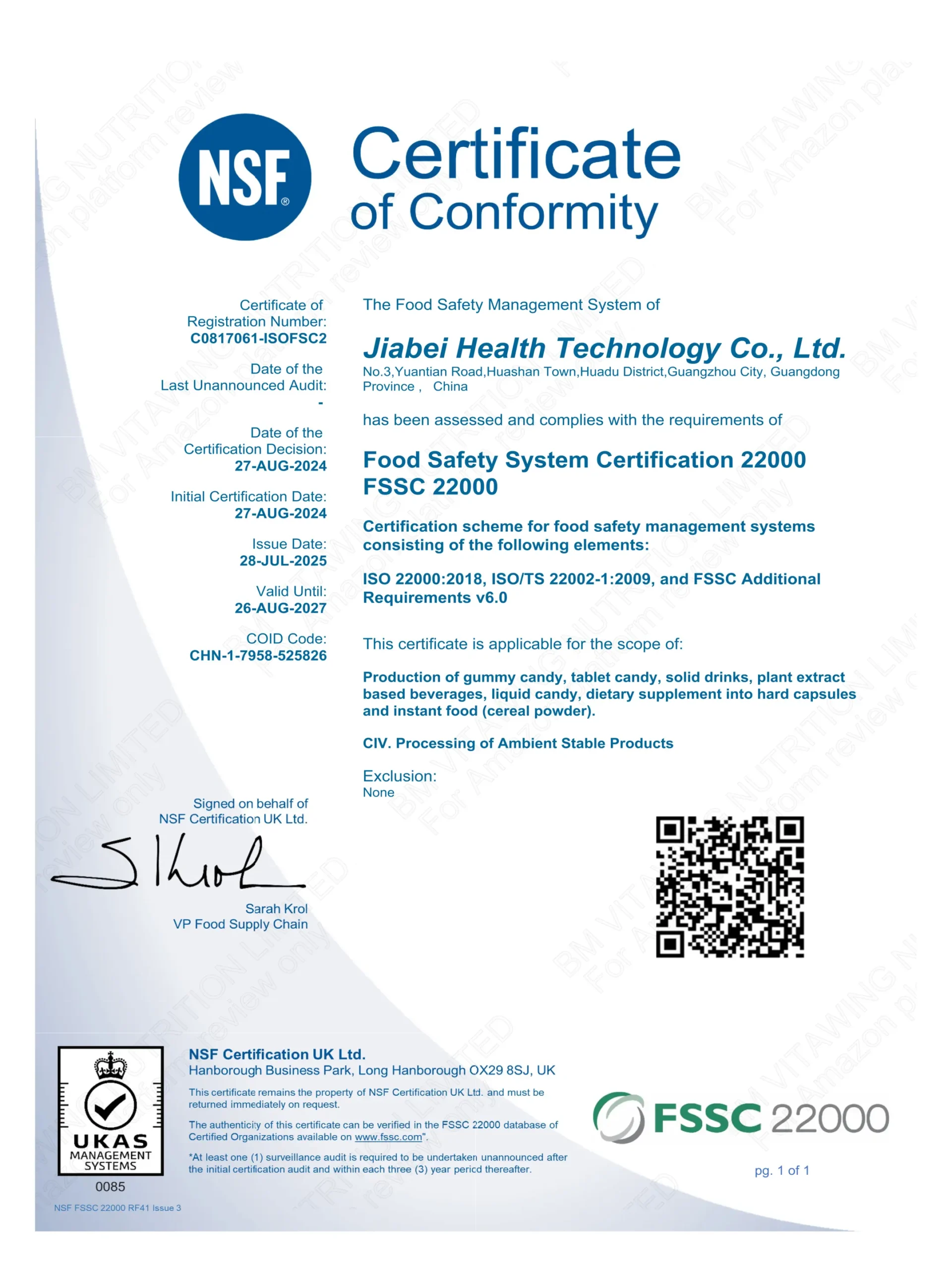
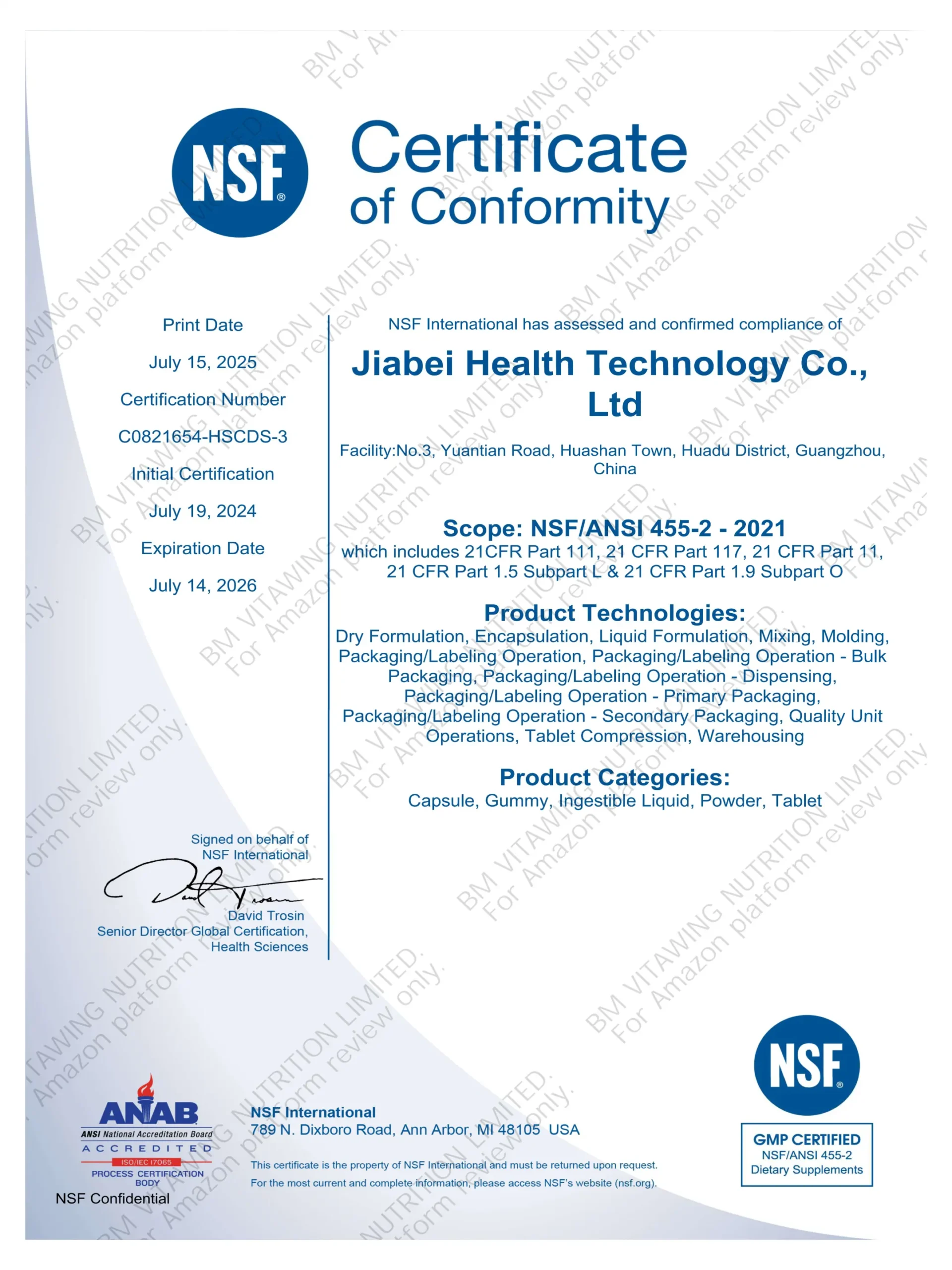
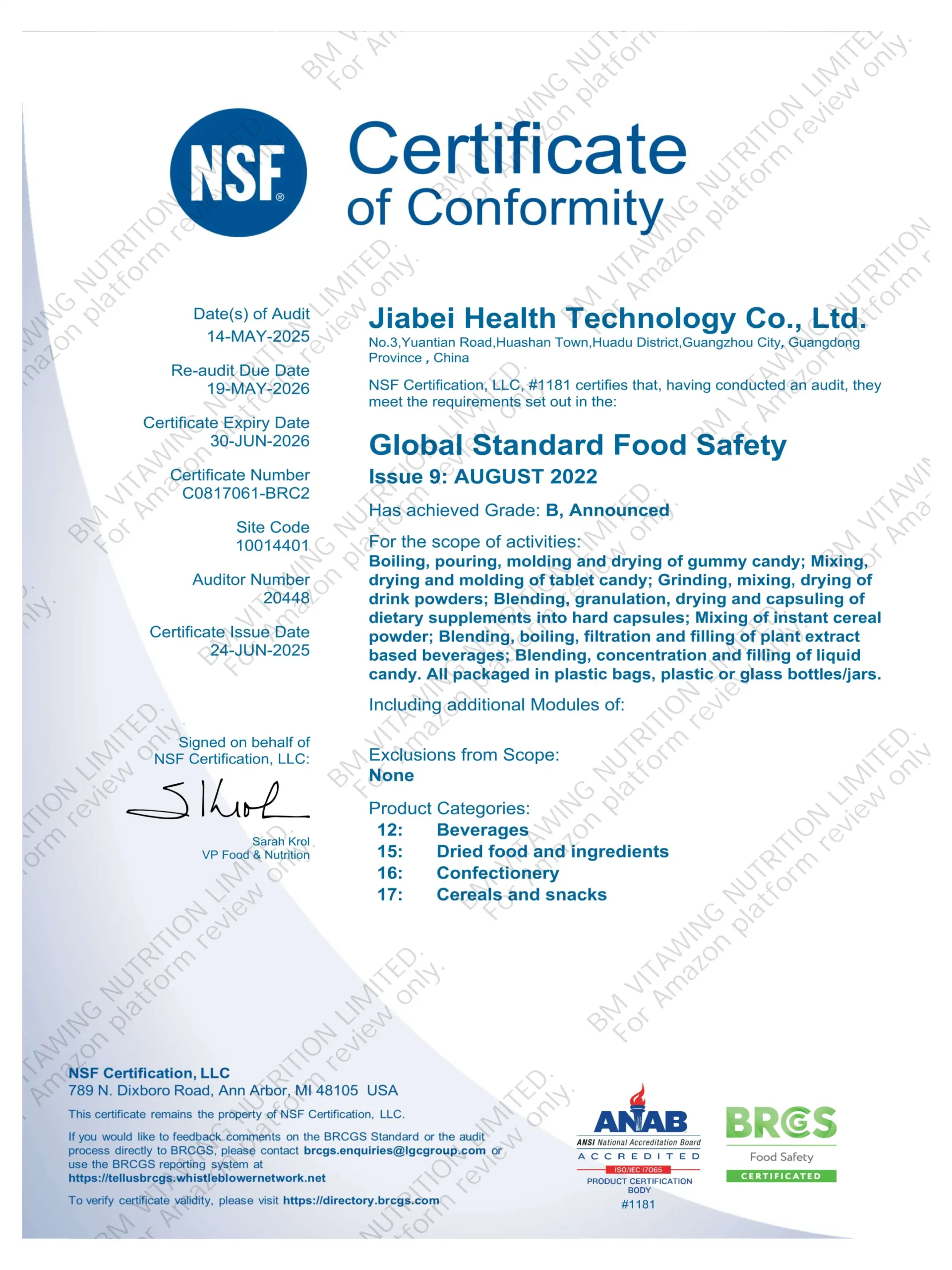
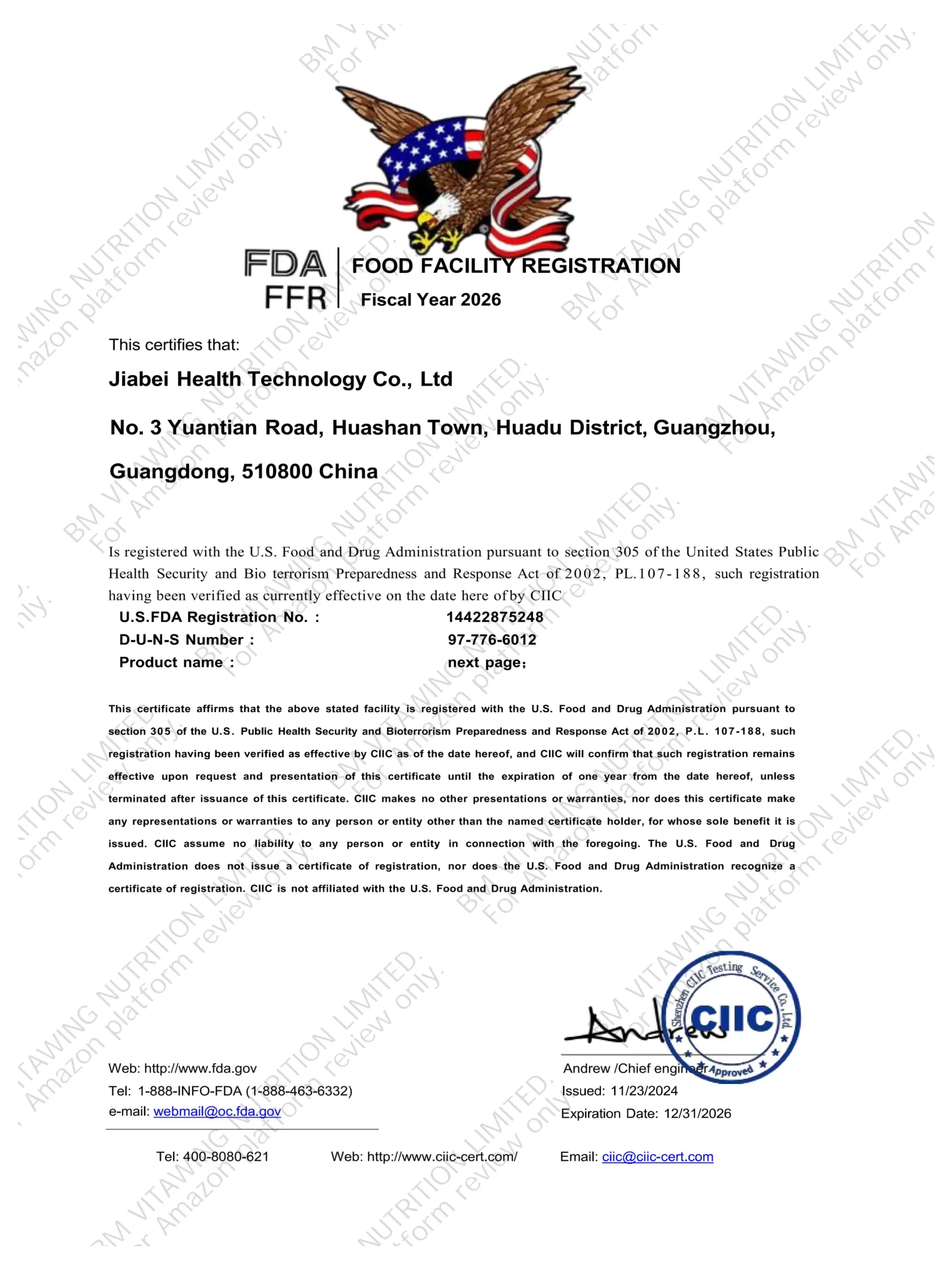
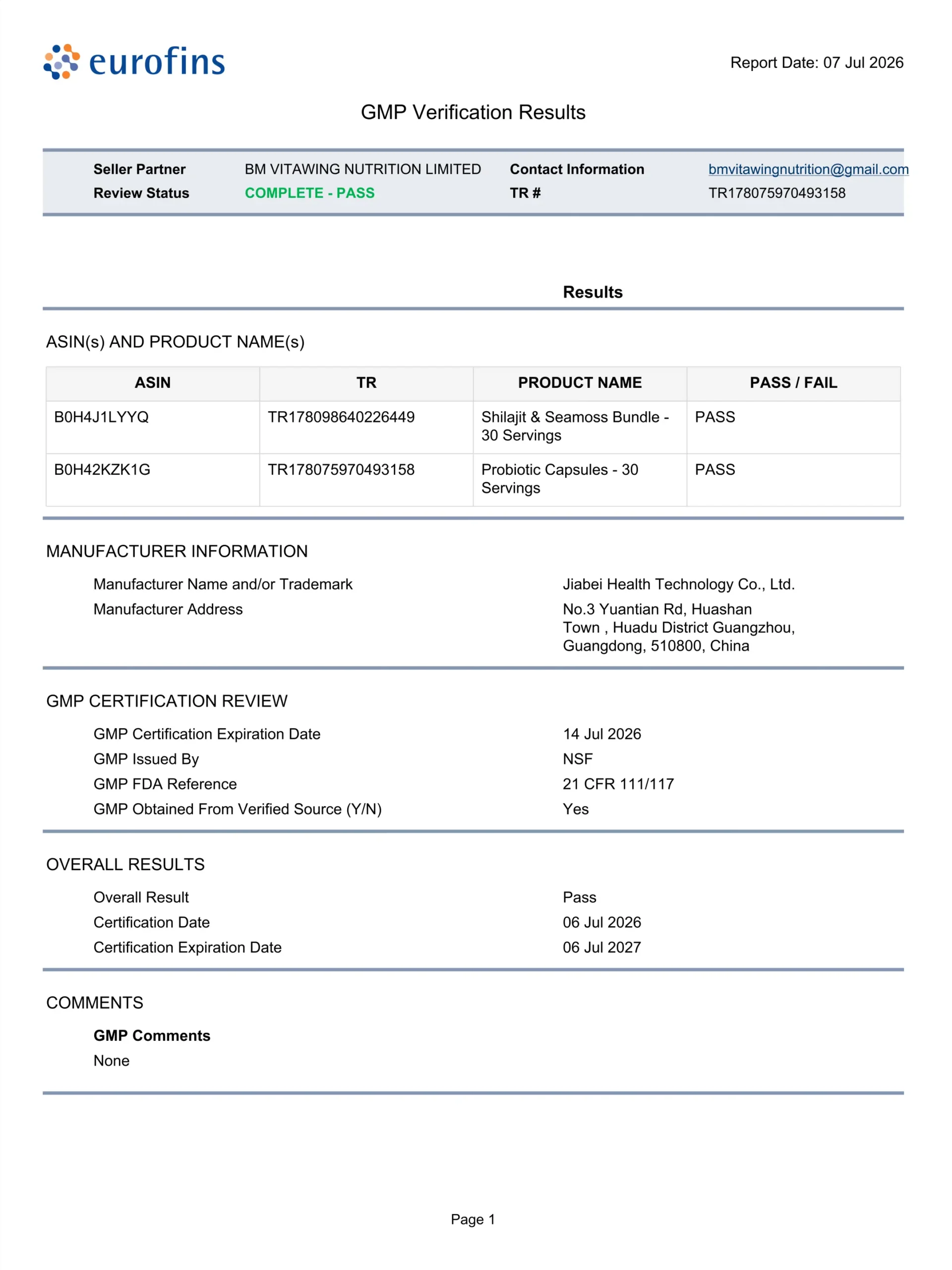
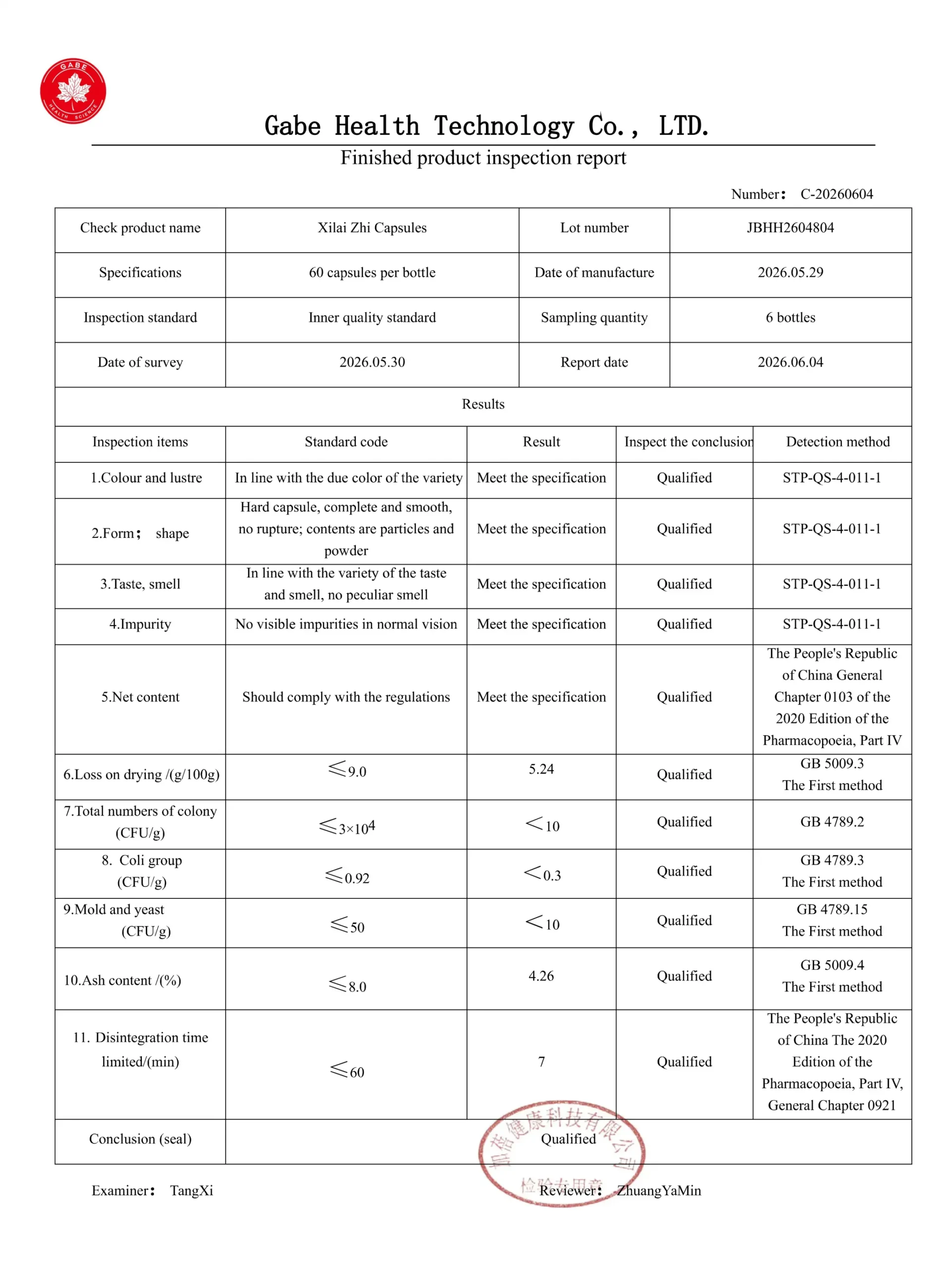
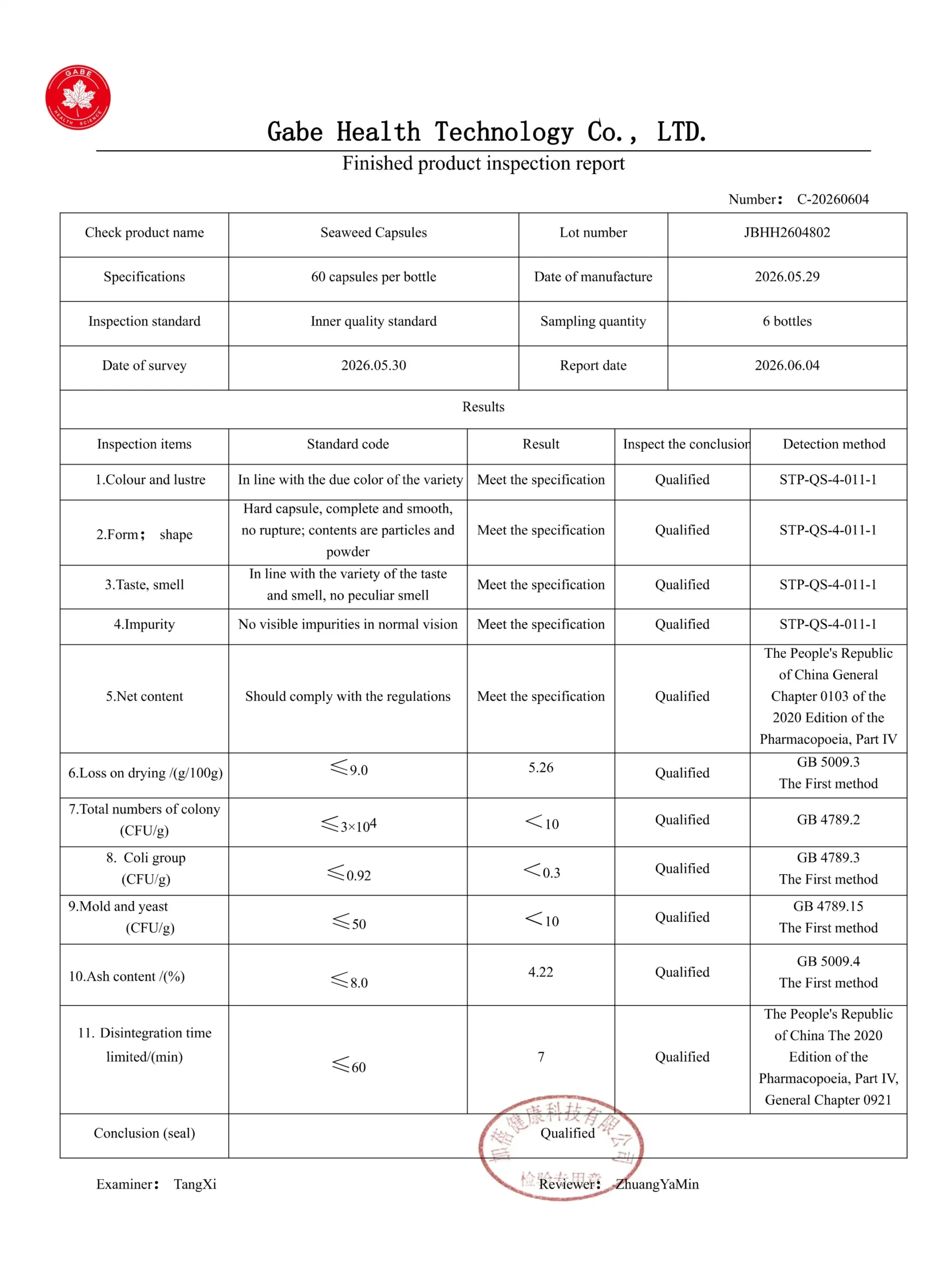
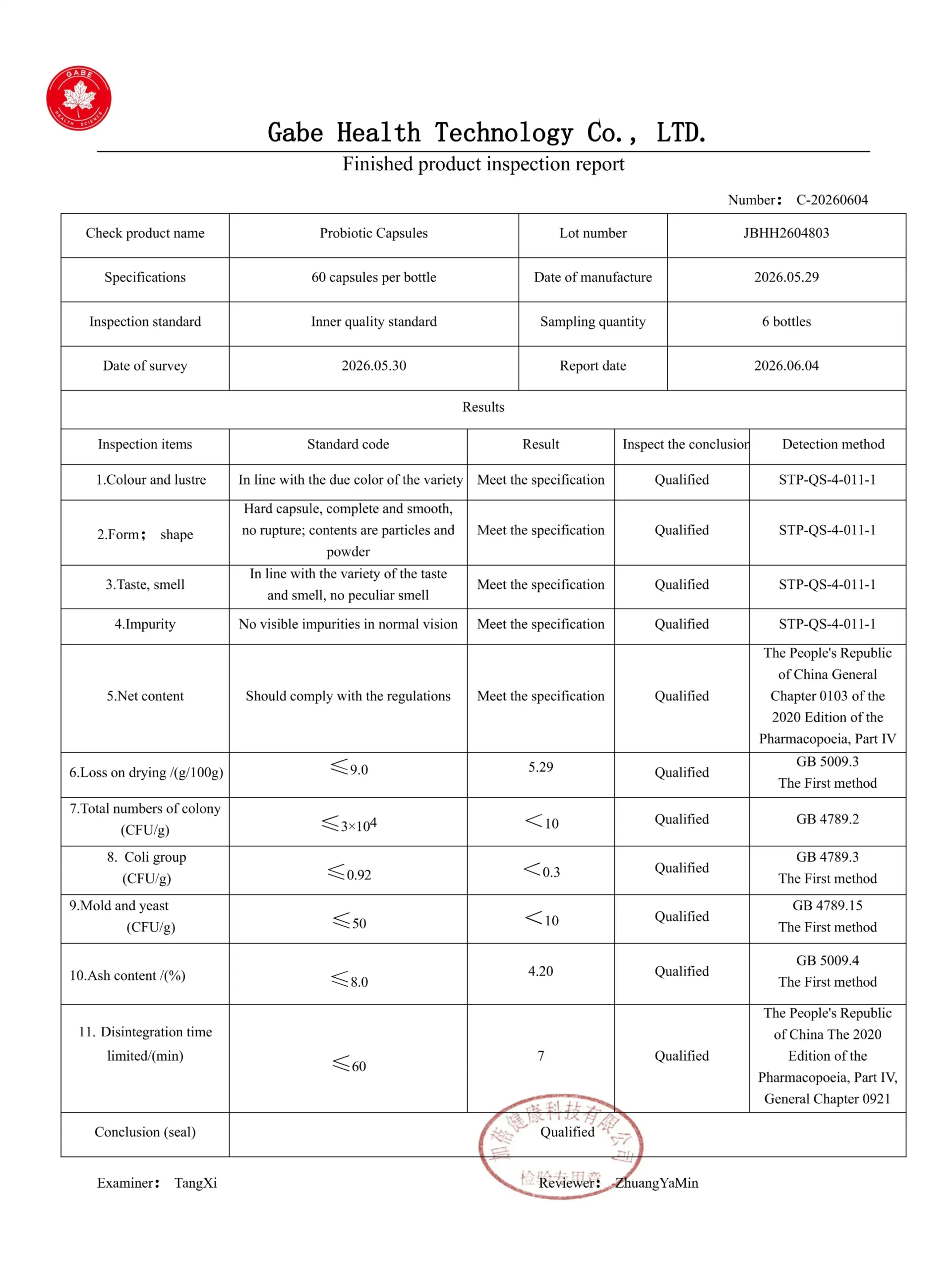
Every batch we bring in is tested before it is offered for sale. If you want the report that corresponds to the specific batch you received, email us the batch number on your jar and we will send it to you directly.
How to read a lab report
Lab reports are written for chemists, not customers. If the terminology is unfamiliar, we have published a plain-English guide to what the parameters mean and which numbers actually matter when comparing suppliers.
Fulvic acid
The compound group most commonly used to characterise shilajit. Concentration varies with source altitude and processing method, and is the figure most often overstated in this category.
Heavy metals
Lead, arsenic, mercury and cadmium. Because shilajit is taken from rock, screening for these is the single most important safety test, and the one to check first on any supplier’s report.
Ash content
The inorganic residue remaining after combustion. High ash content can indicate mineral soil or filler content rather than pure resin.
Moisture content
Water retained in the resin. This is what makes softer to handle and it affects concentration per gram.